
Describe the property
Send the location, symptoms, equipment and access details. State whether the work is a repair, replacement or planned project.
Need plumbing help in Waterloo? Tell us about the leak, blocked drain, fixture or water heater. A responding provider will confirm coverage and availability before booking.
Get A Free QuoteCompare tank capacity and recovery rate with household peak demand. Check fuel, venting, clearances, and whether a tankless conversion would change the installation scope.
View scopeMatch snaking, hydro-jetting, or camera inspection to the affected branch or main line. Recurring blockages and pipe condition may change the scope beyond clearing a single clog.
View scopeCompare a branch replacement with a whole-home repipe when galvanized or poly-B piping is present. PEX or copper choice, access openings, testing, and finish restoration affect the project.
View scopeCheck toilet rough-in, fixture connections, and shutoffs before ordering replacements. Renovations that move drains, vents, or valves need coordination with the finished layout.
View scopeUse meter isolation, acoustic equipment, or thermal imaging according to the suspected pipe and location. Slab, tile, and finished-wall access affect how repairs are scoped.
View scopeCompare pump capacity with pit size and observed inflow, then consider battery backup separately. A backwater valve protects a different route and depends on drain access and project requirements.
View scopeUse water testing and household needs to compare softening, under-sink reverse osmosis, and whole-home filtration. Treatment goals and equipment maintenance determine the appropriate setup.
View scopeWater treatment equipment should be selected from test results and the intended use, rather than from a general description of a city or neighbourhood. If a Waterloo property has scale, staining, sediment, or a taste concern, begin by identifying the affected fixtures and testing the water at the tap. Hardness may inform softener sizing; drinking-water needs may call for an under-sink reverse osmosis system, while other concerns can require different filtration. Test results and household use change the equipment scope.
Compare tank capacity and recovery rate with household peak demand. Check fuel, venting, clearances, and whether a tankless conversion would change the installation scope. Match snaking, hydro-jetting, or camera inspection to the affected branch or main line. Recurring blockages and pipe condition may change the scope beyond clearing a single clog. Compare a branch replacement with a whole-home repipe when galvanized or poly-B piping is present. PEX or copper choice, access openings, testing, and finish restoration affect the project.
Check toilet rough-in, fixture connections, and shutoffs before ordering replacements. Renovations that move drains, vents, or valves need coordination with the finished layout. Use meter isolation, acoustic equipment, or thermal imaging according to the suspected pipe and location. Slab, tile, and finished-wall access affect how repairs are scoped.
Compare pump capacity with pit size and observed inflow, then consider battery backup separately. A backwater valve protects a different route and depends on drain access and project requirements. Use water testing and household needs to compare softening, under-sink reverse osmosis, and whole-home filtration. Treatment goals and equipment maintenance determine the appropriate setup.
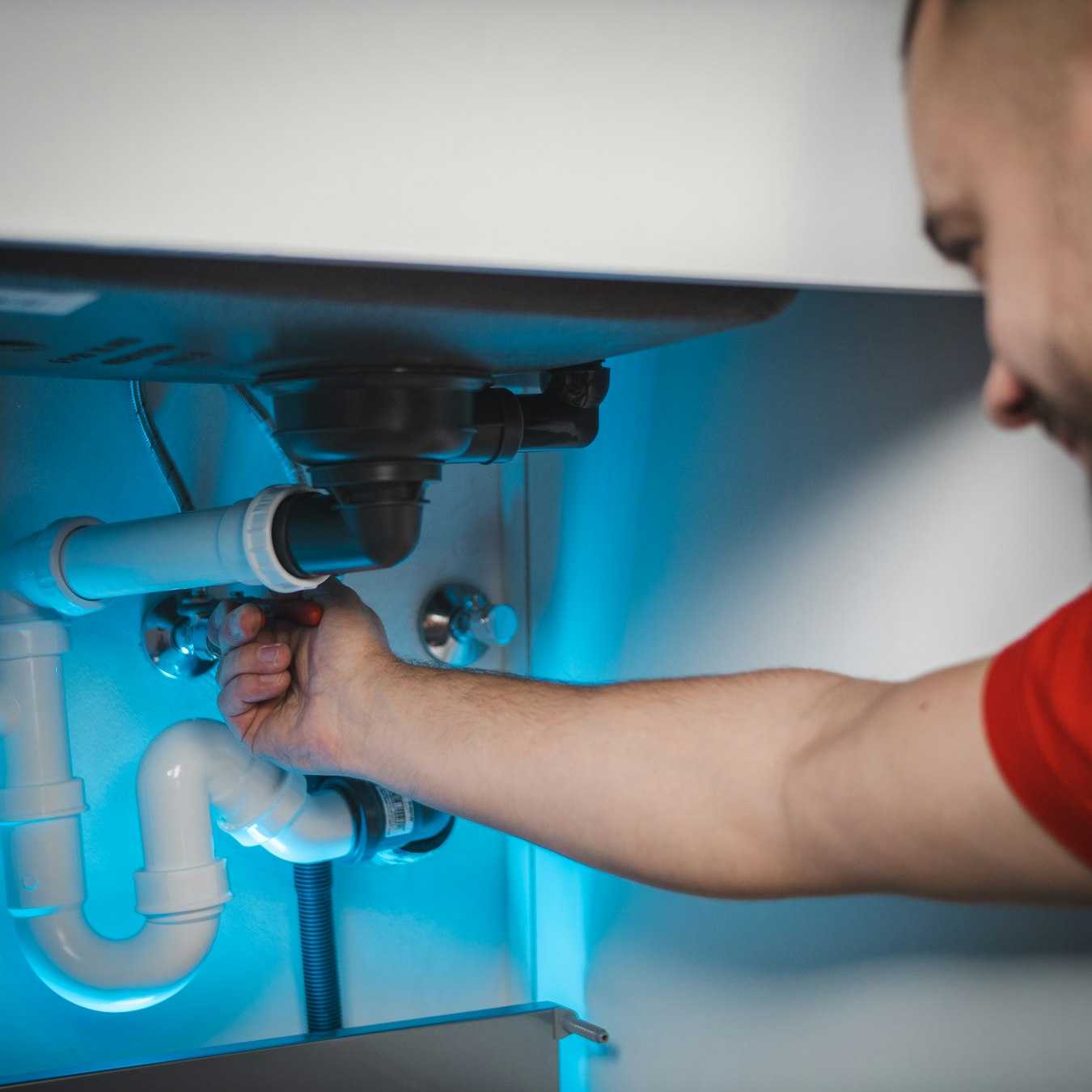
A slow fixture, recurring blockage, and a backed-up main drain can require different equipment and different scopes of work. A cable machine may clear a localized obstruction, while hydro-jetting can remove buildup along suitable pipe walls; a camera inspection can help investigate repeated blockages. Before arranging drain cleaning in Waterloo, note which fixtures are affected, when the problem occurs, and whether previous clearing helped. That history helps distinguish a single clog from a line that may need further investigation.
Explore this serviceSend the location, symptoms, equipment and access details. State whether the work is a repair, replacement or planned project.
The request is reviewed so the responding provider can clarify the work, property access and service coverage.
Agree the provider identity, qualifications, written scope, pricing and visit window directly. Sending a form does not confirm an appointment.
If the suspected line is beneath a basement slab or behind shower tile, identify the affected area and share any available plumbing plans. Ask how the location will be confirmed and whether repair could involve rerouting or excavation. The pipe’s position and the finish above it change the access plan and repair scope.
Photograph exposed piping, cabinets, plaster, tile, and millwork near the proposed route. Ask where access openings are expected and what wall or finish restoration is included. In an older home with delicate finishes, a planned route and limited openings can change the scope and the disruption to the room.
For a rental turnover, list slow fixtures and prior drain calls before the next occupant moves in. Ask which branches will be inspected or cleaned and whether any recommendation is based on camera evidence. This creates a useful maintenance record and helps distinguish routine cleaning from work on a recurring main-line issue.
Photograph the pit, pump label, float, discharge pipe, and any high-water marks. Ask how the pump’s capacity will be compared with the pit and observed inflow, and whether the discharge route is suitable. If a replacement pump is being considered, those details help distinguish a like-for-like change from a system upgrade.
Photograph the data plate, shutoffs, vent route, and clearances around the existing heater. Ask whether the proposed replacement uses the same fuel and venting arrangement, and whether access through the mechanical room is adequate. A change in equipment type or location can add work beyond exchanging the unit.
Use the form to describe the property, the symptoms and the work requested. For Kitchener, Elmira, St. Jacobs, Conestogo, include your postal code so local coverage can be checked.